Most of you know that I really enjoy genealogy and love visiting spots where my ancestors lived. When I decided to come to England, one of my requirements was to visit Cubbington which is where my maternal great-grandfather's family lived. My mom previously corresponded with her second cousin, Bernard, who still lives in this area. Before coming to England, I contacted him to see if he'd be available to show me the family sites; he graciously agreed!
We started our morning by meeting up with Bernard who walked us through Jephson Gardens here in Leamington Spa. Fred Webster Clarke, my great-grandfather, was the 2nd youngest child in a family of 12 children raised by John and Naomi Clarke. Fred worked as a horticulturalist at Jephson Gardens in the late 1890s and early 1900s (he lived in the next town over, Cubbington). We also saw a statue of Queen Victoria that plays a role in my family's lore. The story goes that "dignitaries from Washington, DC" were on hand for the unveiling of this statue. Somehow they met my great-grandfather and he was offered a job with the Dept. of Agriculture in the US. He took them up on the offer and by 1903 was working at the White House designing and planning gardens. Another interesting tidbit about the Victoria statue is that it was blown one inch off it's pedestal by an errant German bomb during WWII and the city never fixed it.


Our next stop was to see the house in which Fred grew up along with the house in which his parents first lived in Cubbington. We then visited St. Mary's Church where my 2nd great-grandparents (John and Naomi Clarke) and 5 of their children are buried. This is also the church in which Fred was baptized along with the rest of his family. It was quite surreal to be in this spot that played such a key role in my ancestor's lives.


Bernard and his wife Mary invited us for lunch at their house where I met thei daughter, her significant other, and another cousin. We swapped stories of life in America and England; they were fascinated to know that we don't use roundabouts (generally). Dianne's story of rural poverty where folks use fridges to raise earthworms was even more eye-opening. Bernard's daughter's "other" lived in America for many years, and I chuckled when Bernard told me that another "colonist" was joining us for lunch! I am absolutely thrilled that we met and am humbled to have trounced around my family's stomping grounds.
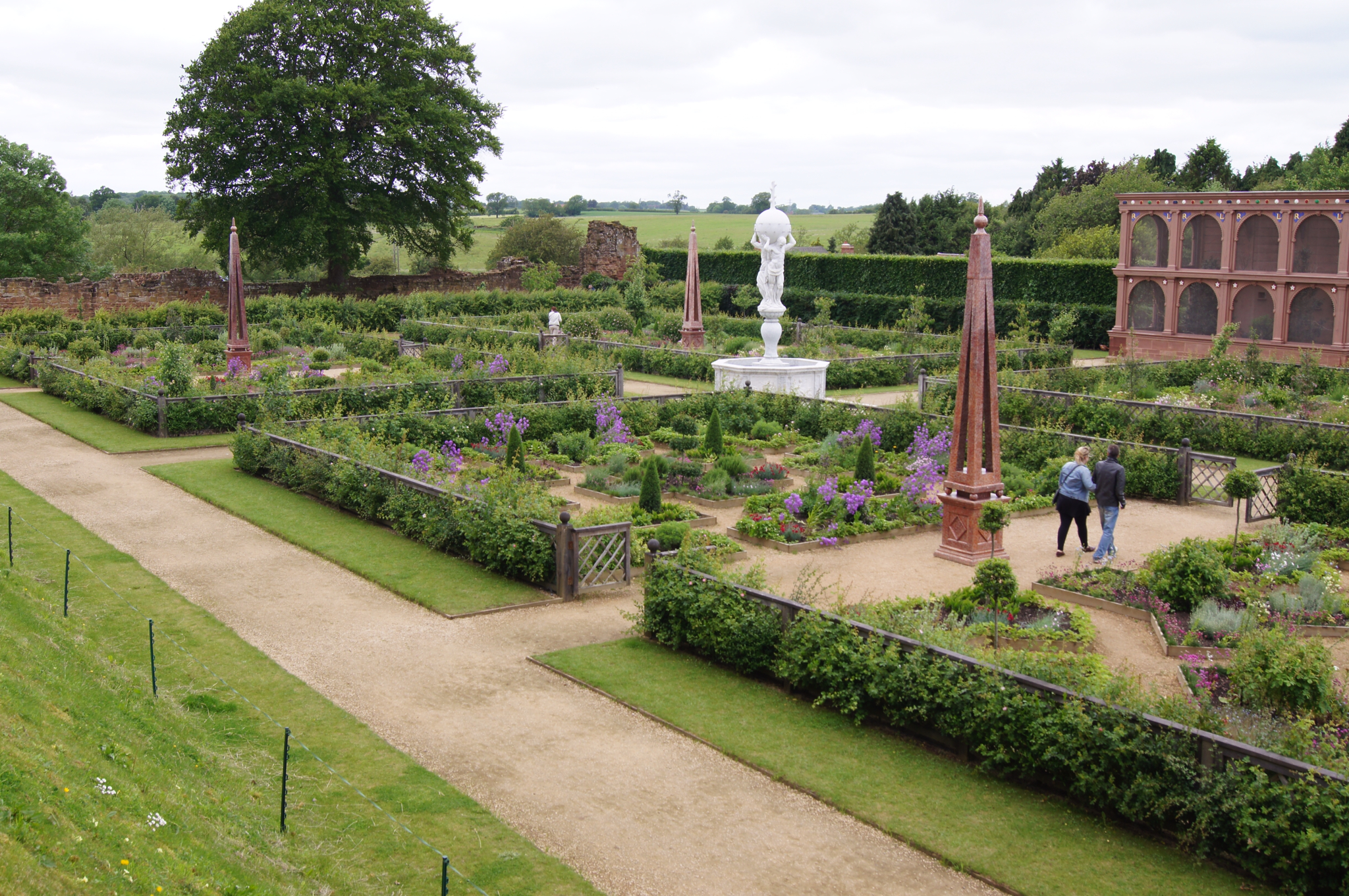
After lunch we headed to Kenilworth Castle which used to be surrounded by a man-made lake. The castle was expanded and really fortified by King John (Magna Carta), but it also played host to Queen Elizabeth I later. Part of the grounds were lived in until about 1930. It's amazing to me that people lived in a castle just 80 years ago! The castle was quite spacious and had a nice Elizabethan garden.




Our next stop was Stratford-Upon-Avon where a somewhat famous guy named Shakespeare was born. Being a Saturday, the town was full of visitors who were clearly shopping and enjoying the break from the rain. We saw the statue of Shakespeare near the River Avon that was somewhat recreated in the animated movie, Gnomeo and Juliet. We then approached the Royal Shakespeare Company theatre and learned that there were still tickets available for Julius Caesar at 7:30. After buying tickets, we wandered down to the house where Will was born, then we enjoyed afternoon tea and scones right across the street. Tim and Paul were then ready for some Stratford ale while Dianne, Alaine and I walked to the church in which Will is buried. Above his grave is a 3D sculpture of him and next to it is one the made me laugh because it looks like Statler and Waldorf of the Muppets.


A quick dinner and then we returned to the Royal Shakespeare Company. I'm still trying to come down off the high I experienced watching Julius Caesar. The last Shakespeare play I saw was in Tulsa as a high school student in the early 90s; I've disliked Will ever since. Tonight's performance, however, was no less than magical. Wow! The company did the play with and interesting twist: while still set in Rome, it was modernized somewhat (guns) to mimic the politics of Africa. Hard to explain in text, but suffice it to say that I am now sold on seeing Will's plays live and more convinced they shouldn't be read, but seen!
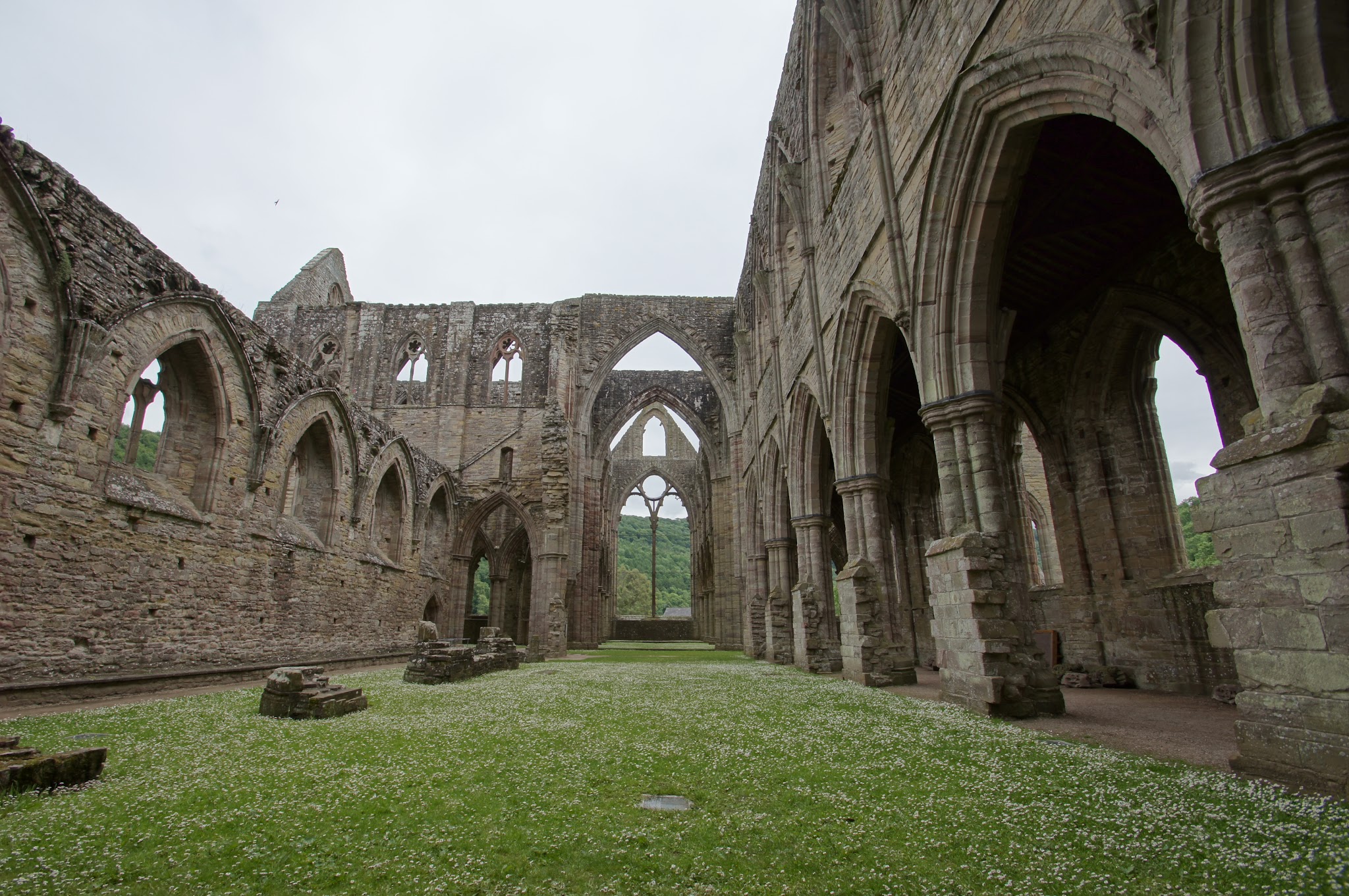
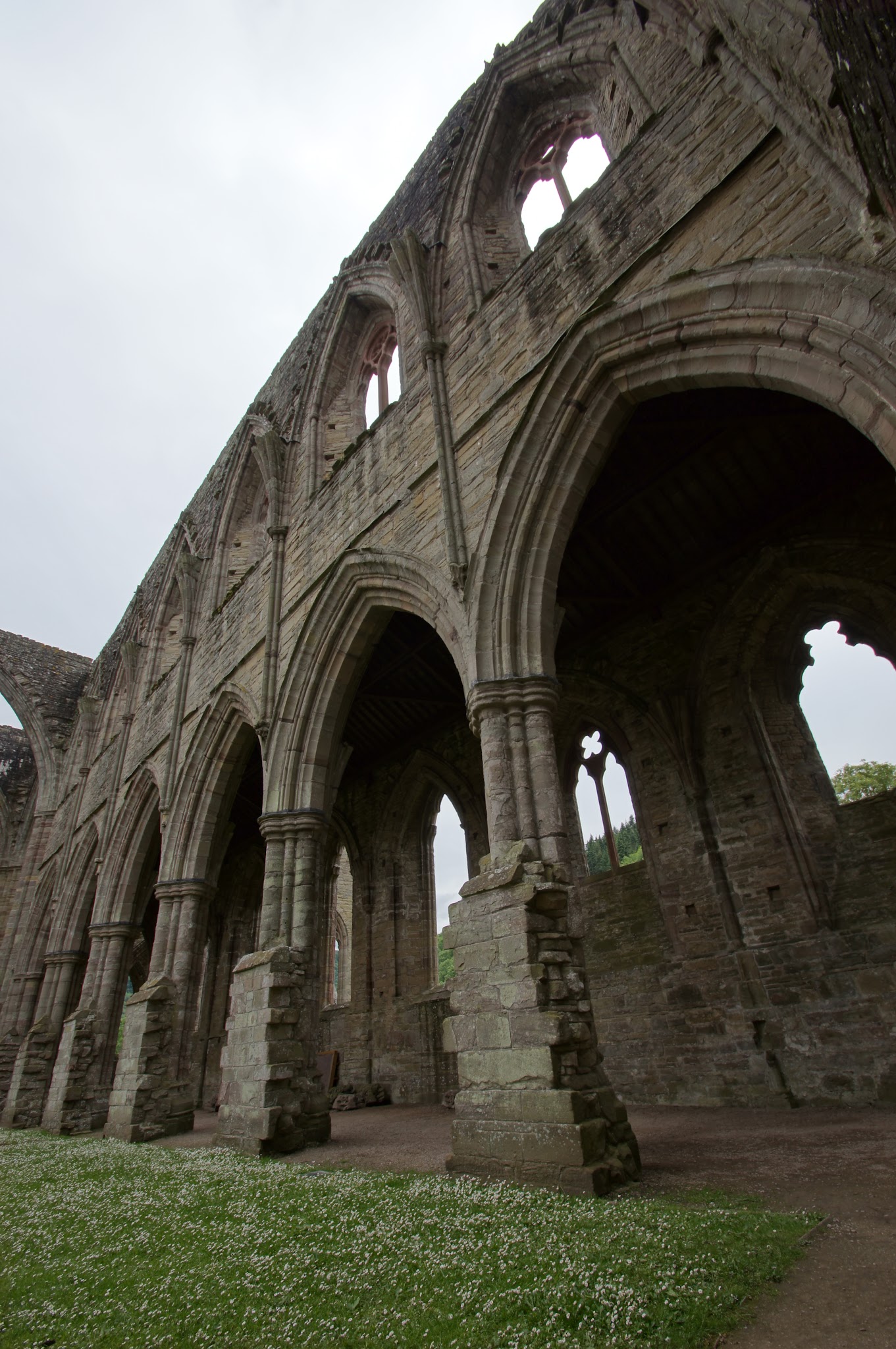
We visit Tintern Abbey and Wells tomorrow. Tintern holds a special place in Paul's heart (and Maggie Welch's too) so I'm excited to see this ruin.
Cheers from the land o' Will!